Best Places to Live in Portugal
Choosing where to live in Portugal is often one of the most important—and most enjoyable—decisions for anyone considering relocating to the country. Despite being relatively small, Portugal offers an impressive diversity of places to live, each with its own character, lifestyle, and rhythm of daily life.
Some people are drawn to the vibrant energy of historic cities like Lisbon or Porto. Others prefer the relaxed coastal lifestyle of towns along the Atlantic, where the ocean is never far away and life moves at a slightly slower pace. There are also those who choose the countryside, where space, nature, and quiet surroundings offer a completely different experience of Portuguese life.
The best place to live ultimately depends on what you value most. For some, proximity to international schools and business centers is essential. For others, walkable neighborhoods, outdoor living, or access to beaches and nature may be the deciding factor.
Portugal’s strong infrastructure, safety, and welcoming culture mean that many regions offer an excellent quality of life. However, each area has its own advantages, whether it is the cultural richness of historic cities, the international communities found along the coast, or the tranquility of smaller towns and rural landscapes.
Below are some of the most popular places to live in Portugal, each offering a different perspective on what life in this country can look like.
Are You Ready to Move to Portugal?
Assess your readiness with our easy-to-follow, comprehensive checklists.
Are you ready?
Know the steps involved in relocating
Check the documents you will need
See how prepared you are to begin
Find Out For YourselfLisbon
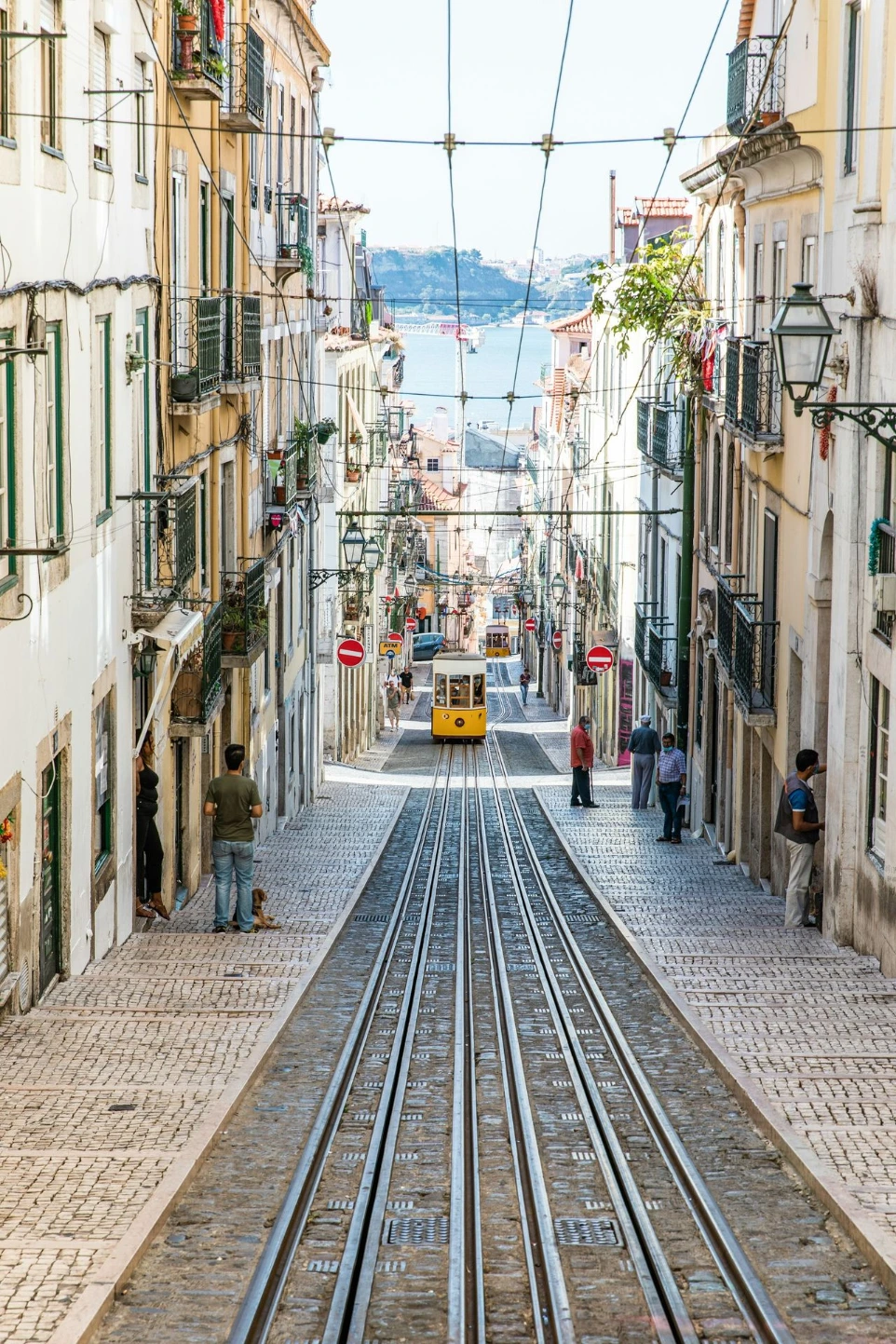
Lisbon is Portugal’s capital and largest city, a place where centuries of history meet a dynamic and increasingly international lifestyle. Built across a series of hills overlooking the Tagus River, the city is known for its distinctive architecture, scenic viewpoints, and neighborhoods that combine traditional character with modern urban life.
For many people moving to Portugal, Lisbon represents the country’s most cosmopolitan environment. The city has become a hub for international professionals, entrepreneurs, and remote workers, attracted by its mild climate, cultural vibrancy, and strong connections to the rest of Europe and the world. International schools, modern healthcare facilities, and a growing business ecosystem make it especially appealing for families and professionals relocating from abroad.
Daily life in Lisbon is defined by contrasts that work remarkably well together. Historic districts such as Alfama, Graça, and Mouraria preserve the atmosphere of old Lisbon, with narrow streets, tiled buildings, and small local cafés. At the same time, areas like Parque das Nações or parts of Alcântara reflect a more contemporary side of the city, with modern architecture, business centers, and riverside developments.
Another aspect that makes Lisbon particularly attractive is its proximity to nature. Within a short drive you can reach the beaches of Cascais and Estoril, the forests and palaces of Sintra, or the dramatic coastline of the Atlantic. This balance between city life and outdoor access is one of the reasons many residents feel Lisbon offers the best of both worlds.
Of course, Lisbon is also the most competitive property market in Portugal. Rental demand is strong and property prices are generally higher than in most other regions of the country. However, for those who value an international environment, cultural richness, and urban energy, Lisbon continues to be one of the most compelling places to live in Southern Europe.
Cascais
Located about thirty minutes west of Lisbon, Cascais is one of the most desirable places to live in Portugal, particularly for international residents. Once a small fishing village, it gradually transformed into a sophisticated coastal town while still retaining much of its charm and relaxed atmosphere.
Cascais offers a lifestyle that many people associate with the idea of living by the sea. The town combines beautiful Atlantic beaches, a picturesque historic center, and a marina lined with cafés and restaurants where life seems to move at a slower, more enjoyable pace. Walking along the coastal promenade toward Estoril or watching the sunset over the ocean quickly becomes part of everyday life for many residents.
One of Cascais’ greatest strengths is its balance between tranquility and accessibility. While it feels like a relaxed seaside town, Lisbon is easily reachable by car or train, making it possible to enjoy coastal living without being far from the capital’s cultural and business opportunities.
Over the years, Cascais has developed a strong international community. Many expatriates are drawn by the town’s safety, high quality of life, and excellent infrastructure. International schools, modern healthcare facilities, sports clubs, and outdoor activities—from surfing to sailing and golf—are all easily accessible.
The surrounding area also adds to Cascais’ appeal. The nearby Sintra mountains offer forests, historic palaces, and hiking trails, while the dramatic Atlantic coastline stretches west toward Guincho and the natural landscapes of the Sintra-Cascais Natural Park.
As a result of its popularity, Cascais is also one of the most competitive property markets in Portugal. Housing demand is strong, and prices tend to reflect the town’s reputation as one of the country’s most attractive places to live.
For many people moving to Portugal, Cascais represents a rare combination: the charm of a coastal town, the convenience of proximity to Lisbon, and a lifestyle shaped by the ocean.
Porto
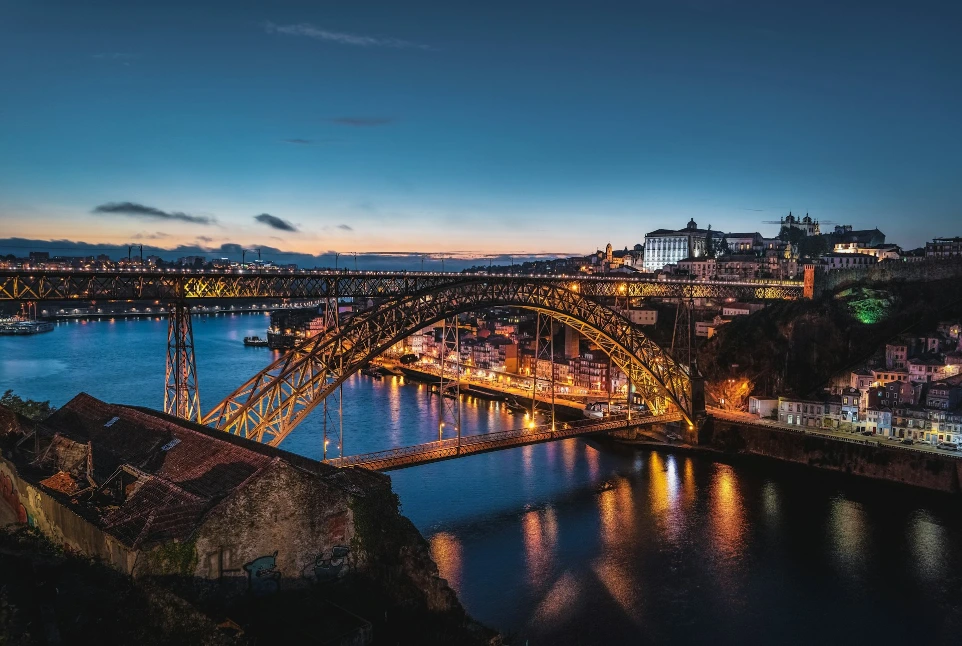
Portugal’s second-largest city, Porto offers a very different atmosphere from Lisbon while remaining just as rich in character and history. Built along the steep hills that overlook the Douro River, Porto is a city of dramatic views, historic architecture, and a strong sense of identity that locals are deeply proud of.
Life in Porto tends to feel slightly slower and more traditional than in the capital. The city has long been known for its industrious spirit, warm hospitality, and deep-rooted cultural traditions. Walking through neighborhoods like Ribeira or Miragaia, with their colorful buildings and narrow streets, it is easy to feel the weight of centuries of history woven into everyday life.
Porto is also famous worldwide for its connection to port wine. Across the river in Vila Nova de Gaia, historic wine cellars line the waterfront, where barrels of port have been aging for generations. This heritage gives the city a distinctive cultural atmosphere that blends commerce, craftsmanship, and tradition.
In recent years, Porto has also developed into an increasingly vibrant and international city. A growing number of entrepreneurs, remote workers, and international residents are choosing Porto for its authenticity, relatively lower cost of living compared to Lisbon, and strong cultural life. The city offers excellent restaurants, art galleries, music venues, and a lively café culture that locals and newcomers alike enjoy.
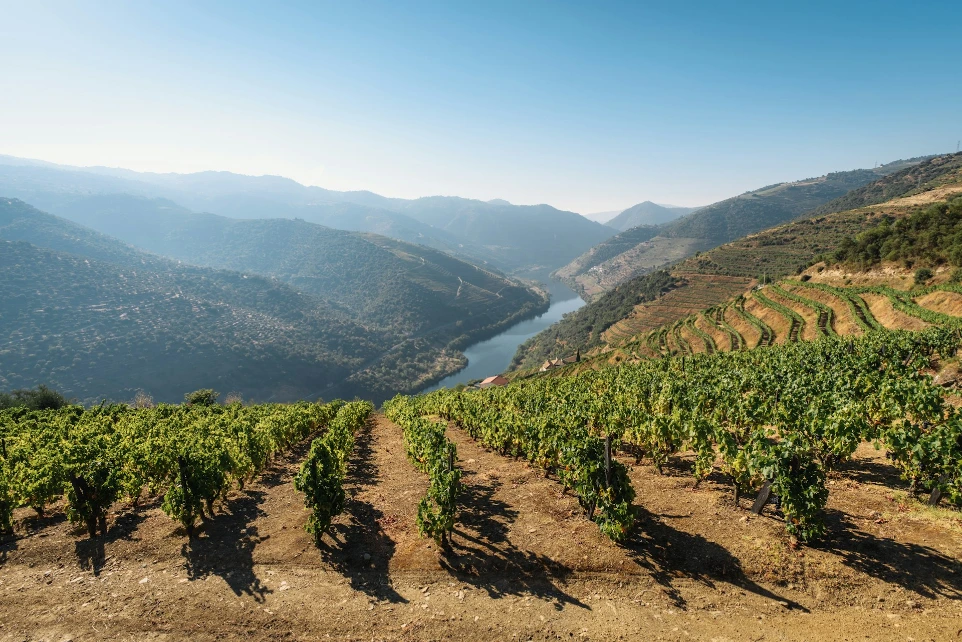
Another advantage of Porto is its proximity to some of northern Portugal’s most beautiful landscapes. The Douro Valley, with its terraced vineyards and winding river views, lies just a short drive away, while the Atlantic coast provides easy access to beaches and seaside towns.
Although the property market in Porto has become more competitive in recent years, it generally remains more accessible than Lisbon. For many people moving to Portugal, Porto represents an appealing balance between historic charm, urban life, and a slightly more relaxed pace of living.
Alentejo
Stretching across a large portion of southern Portugal, the Alentejo region offers a completely different experience from the country’s major cities and coastal resorts. Known for its vast open landscapes, rolling plains, cork oak forests, and whitewashed villages, Alentejo represents a quieter and more traditional side of Portuguese life.
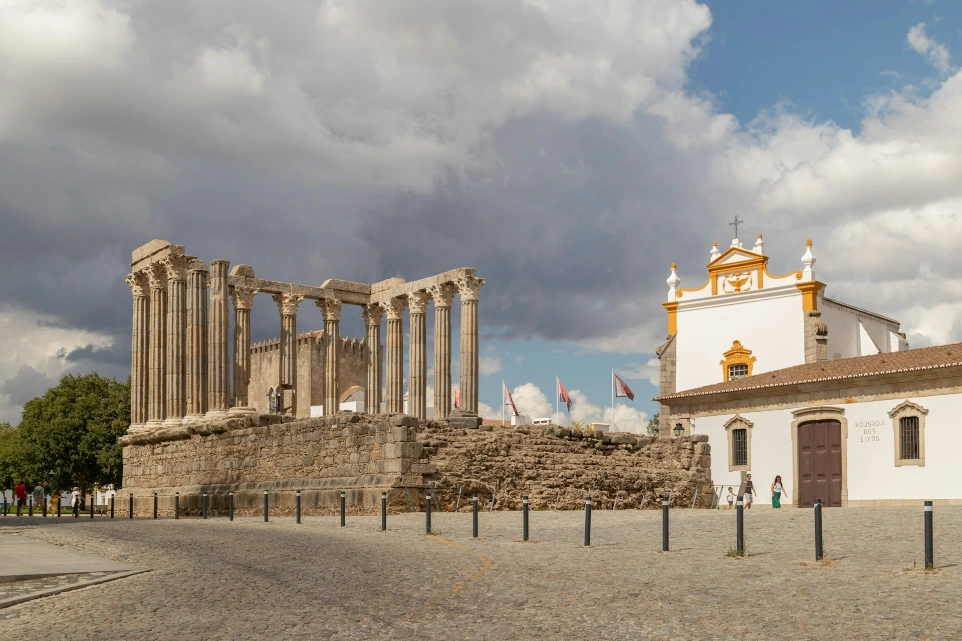
Life in Alentejo moves at a noticeably slower pace. Small towns and historic villages form the heart of the region, where daily routines often revolve around local cafés, markets, and community life. In places such as Évora, Estremoz, and Monsaraz, centuries-old streets, stone walls, and medieval architecture create an atmosphere that feels deeply connected to Portugal’s past.
The region is also widely recognized for its agricultural heritage. Alentejo produces some of Portugal’s most respected wines and olive oils, and vineyards stretch across large parts of the landscape. Many people who move to the region are drawn not only by the scenery but also by the opportunity to live closer to nature, often in restored farmhouses or countryside properties surrounded by open land.
In recent years, parts of Alentejo—particularly along the Atlantic coast near Comporta and Melides—have gained international attention for their understated luxury and natural beauty. These coastal areas combine pristine beaches, protected landscapes, and a relaxed lifestyle that has attracted both international visitors and new residents.
Compared with Lisbon or the Algarve, property prices in much of Alentejo remain relatively accessible, especially in inland towns and rural areas. For those seeking space, tranquility, and a more traditional rhythm of life, the region offers an appealing alternative to Portugal’s more urban environments.
For many people relocating to Portugal, Alentejo represents the possibility of living more simply—surrounded by nature, history, and a landscape that seems to stretch endlessly beneath the southern sun.
Algarve
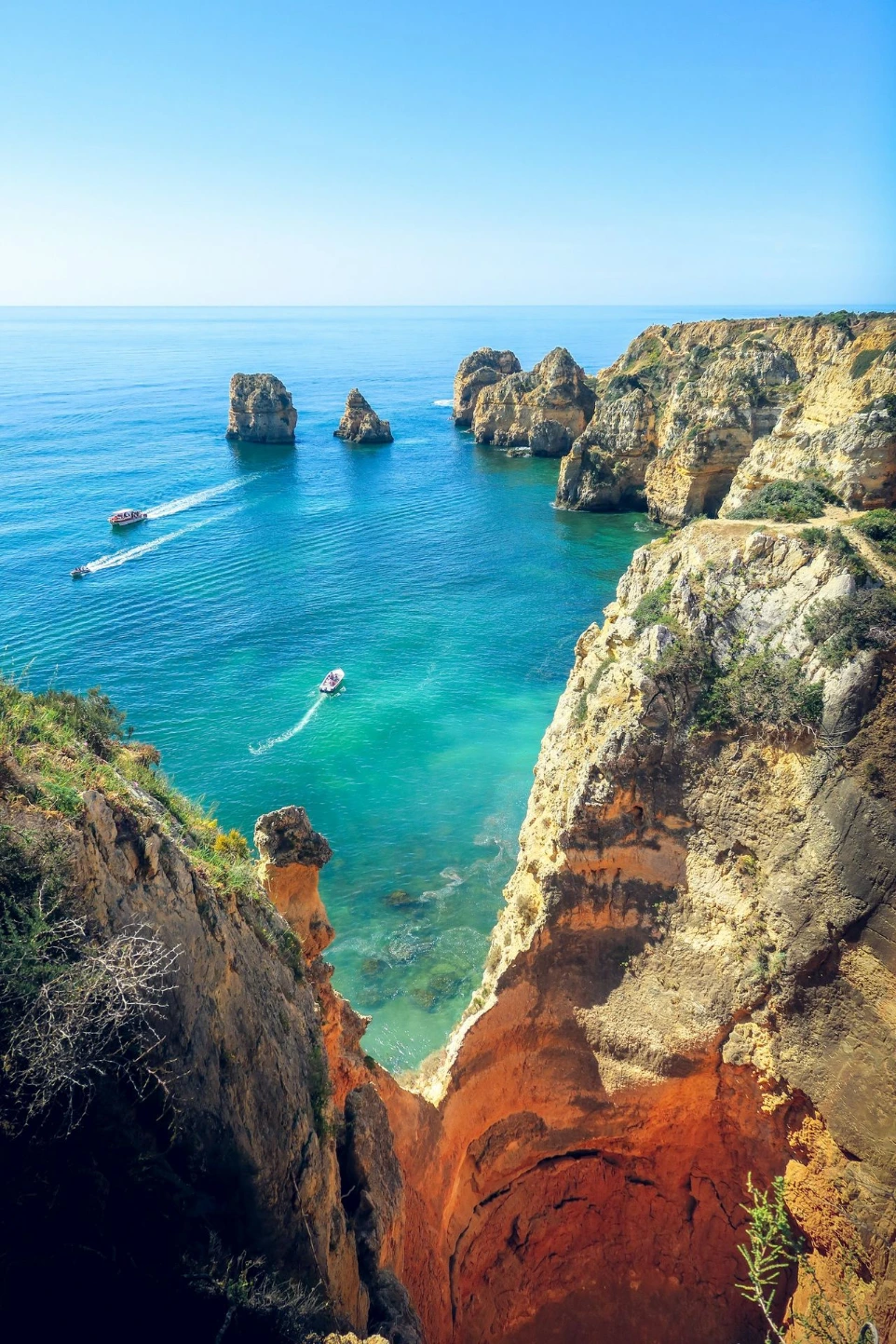
Located in the southernmost region of Portugal, the Algarve is widely known for its dramatic coastline, golden beaches, and warm Mediterranean climate. With over 300 days of sunshine each year, it has long been one of Europe’s most popular destinations for both visitors and people looking to relocate permanently.
The Algarve offers a lifestyle strongly connected to the outdoors. Life here often revolves around the ocean, whether it’s walking along coastal cliffs, enjoying long beach days, playing golf on internationally recognized courses, or simply dining outside under clear skies most of the year. For many residents, the combination of sunshine, sea air, and open landscapes creates a lifestyle that feels both relaxed and healthy.
Over the years, the region has also developed a large and well-established international community. Towns such as Lagos, Albufeira, Vilamoura, and Tavira have become particularly popular with foreign residents, offering a wide range of restaurants, services, international schools, and healthcare facilities. English is widely spoken, which can make the transition to living in Portugal easier for newcomers.
Despite its reputation as a holiday destination, the Algarve is not only about tourism. Many areas maintain strong local traditions and cultural identity, especially in smaller towns and villages away from the main coastal resorts. Inland communities offer a quieter lifestyle while still being within easy reach of the coast.
The property market in the Algarve varies depending on location, with coastal areas generally commanding higher prices due to their popularity. However, the region still offers a wide range of options, from modern apartments and golf properties to traditional villas and countryside homes.
For many people moving to Portugal, the Algarve represents the ideal balance of climate, scenery, and lifestyle—a place where the Atlantic Ocean and the southern sun shape everyday life.
Silver Coast
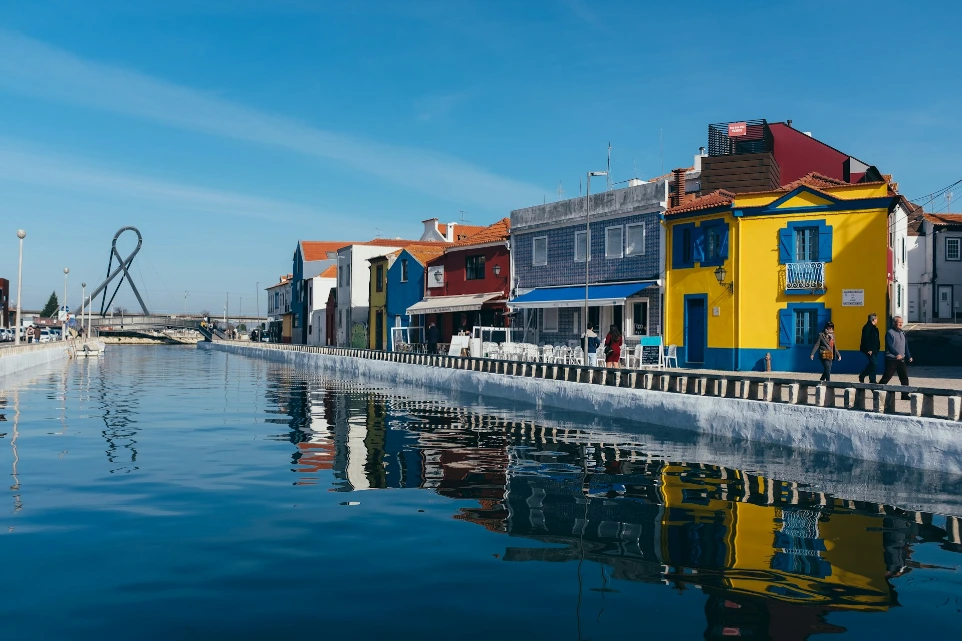
Stretching north of Lisbon along Portugal’s Atlantic coastline, the Silver Coast offers a compelling combination of natural beauty, traditional Portuguese life, and relatively accessible property prices. Compared to the Algarve or the Lisbon metropolitan area, this region remains less developed for international tourism, which has helped preserve much of its authentic character.
The coastline itself is dramatic and diverse. Long sandy beaches, rugged cliffs, and powerful Atlantic waves define the landscape, making the area especially popular with surfers and nature lovers. Nazaré, for example, is internationally known for its record-breaking waves, while towns such as Peniche and Baleal have become important centers for surfing culture.
Beyond the coast, the region also offers a rich historical and cultural heritage. The medieval town of Óbidos, with its fortified walls and cobblestone streets, feels almost like stepping into another century. Inland towns and villages maintain a strong sense of local identity, where traditional markets, cafés, and community life remain an important part of daily living.
One of the Silver Coast’s greatest advantages is its proximity to Lisbon. Many towns are within one to two hours of the capital, making it possible to enjoy coastal living while still maintaining access to Lisbon’s international airport, business centers, and cultural life.
In recent years, the region has begun attracting increasing interest from international residents looking for a quieter alternative to Portugal’s more established expatriate areas. Property prices are generally lower than in Lisbon or the Algarve, while still offering easy access to beaches, countryside landscapes, and historic towns.
For many people considering a move to Portugal, the Silver Coast represents a balance between natural beauty, authentic Portuguese culture, and a more relaxed pace of life along the Atlantic.
Madeira
Located in the Atlantic Ocean about 1,000 kilometers southwest of mainland Portugal, Madeira is an autonomous Portuguese archipelago known for its dramatic landscapes, subtropical climate, and unique island lifestyle. Often referred to as the “Island of Eternal Spring,” Madeira enjoys mild temperatures throughout the year, making it one of the most pleasant climates in Europe.
The island’s geography is striking. Steep mountains rise from the ocean, creating deep valleys, lush forests, and spectacular coastal cliffs. Much of the interior is protected as natural parkland, and the famous levadas—historic irrigation channels that now serve as walking trails—offer residents and visitors the chance to explore Madeira’s landscapes on foot.
Life in Madeira is centered primarily around Funchal, the island’s capital. Built along a natural amphitheater overlooking the Atlantic, Funchal combines traditional Portuguese charm with modern amenities, including restaurants, cultural venues, hospitals, and international schools. Despite being the island’s main city, it maintains a relaxed atmosphere compared to mainland urban centers.
Madeira has long attracted international residents, particularly retirees and remote workers who appreciate the island’s climate, scenery, and safety. The community is welcoming and multilingual, and English is widely spoken in many areas, making it easier for newcomers to adapt.
While the island lifestyle offers exceptional natural beauty and tranquility, it also means living at some distance from mainland Europe. However, regular flights connect Madeira with Lisbon and other major European cities, making travel relatively convenient.
For those drawn to nature, ocean views, and a mild climate year-round, Madeira offers a distinctive way of life—one shaped by the rhythms of the Atlantic and the dramatic landscapes that surround the island.
Azores
Located in the middle of the Atlantic Ocean, roughly halfway between Europe and North America, the Azores are a Portuguese archipelago made up of nine volcanic islands known for their extraordinary natural beauty. Often described as one of Europe’s best-kept secrets, the Azores offer a lifestyle deeply connected to nature, tranquility, and the ocean.
The islands are defined by dramatic landscapes shaped by volcanic activity over millions of years. Crater lakes, geothermal springs, lush green hills, and rugged coastlines create scenery that feels both wild and peaceful at the same time. Places like Sete Cidades and Lagoa do Fogo on São Miguel Island are among the most iconic landscapes in Portugal.
Life in the Azores moves at a slower pace than on mainland Portugal. Communities tend to be small and closely connected, and daily life often revolves around local traditions, agriculture, and fishing. For many residents, this quieter rhythm is precisely what makes the islands so appealing.
The largest and most populated island, São Miguel, serves as the economic and cultural center of the archipelago. Its capital, Ponta Delgada, offers essential services, hospitals, schools, restaurants, and a small but growing international community. While the islands remain less international than Lisbon or the Algarve, they are increasingly attracting people seeking a more nature-oriented lifestyle.
The Azores are also renowned for outdoor activities. Hiking, whale watching, diving, and exploring volcanic landscapes are part of everyday life for many residents. The surrounding Atlantic Ocean and protected natural areas make the islands a paradise for those who enjoy outdoor living.
Because the Azores are more remote than mainland Portugal, daily life can feel more isolated, and travel often requires connecting flights through Lisbon. However, this distance has also helped preserve the islands’ authenticity and natural environment.
For people looking to live surrounded by dramatic landscapes, fresh ocean air, and a strong sense of community, the Azores offer a unique way of experiencing life in Portugal.
Smaller Towns and Cities Popular with Expats
While Portugal’s largest cities often attract the most attention, many international residents ultimately settle in smaller towns and mid-sized cities where life feels more relaxed and closely connected to local culture. Across the country, there are numerous places that combine charm, affordability, and a welcoming atmosphere that has proven especially appealing to expatriates.
Along the coast near Lisbon, Ericeira has become a favorite among surfers, remote workers, and younger international residents. Known for its dramatic cliffs and strong surf culture, the town offers a lively atmosphere while still maintaining the character of a traditional fishing village.
In the Algarve, towns such as Tavira, Lagos, and Carvoeiro are particularly popular with expats. Tavira is admired for its historic charm and quieter lifestyle, while Lagos offers a vibrant coastal environment with a strong international community. Carvoeiro, once a small fishing village, has evolved into a picturesque seaside town with beautiful coastal scenery and a relaxed pace of life.
Further north, Braga has become increasingly attractive to foreigners looking for a lively yet more affordable alternative to Lisbon and Porto. The city combines historic architecture with a growing university population and modern infrastructure. Nearby, Viana do Castelo offers spectacular coastal landscapes and a strong regional identity that many expats appreciate.
In central Portugal, towns such as Tomar, Caldas da Rainha, Nazaré, and Óbidos are gaining attention among international buyers seeking authenticity and lower property prices. These towns offer a mix of historic character, access to nature, and proximity to Lisbon.
On the Alentejo coast, Comporta and Melides have become internationally recognized for their understated luxury and unspoiled beaches, attracting artists, designers, and international homeowners looking for a quieter coastal retreat.
One of the great advantages of living in Portugal is that even smaller towns remain relatively well connected. Many of these locations are within one or two hours of Lisbon or Porto, making it possible to enjoy a more relaxed lifestyle while still maintaining access to major cities, international airports, and modern infrastructure.
For many expats, these towns represent the best of both worlds: authentic Portuguese life combined with the comfort of an increasingly international community.
Are You Ready to Buy Property in Portugal?
Use this checklist to help determine whether you are ready to purchase property in Portugal.
Discover Portugal
Imagine mornings by the Atlantic, afternoons in historic town squares, and weekends exploring vineyards, beaches, and centuries-old villages. Portugal offers an extraordinary lifestyle — but choosing the right place to live makes all the difference.
These guided tour takes you through some of the most remarkable places to live in Portugal, helping you picture what your life here could look like.